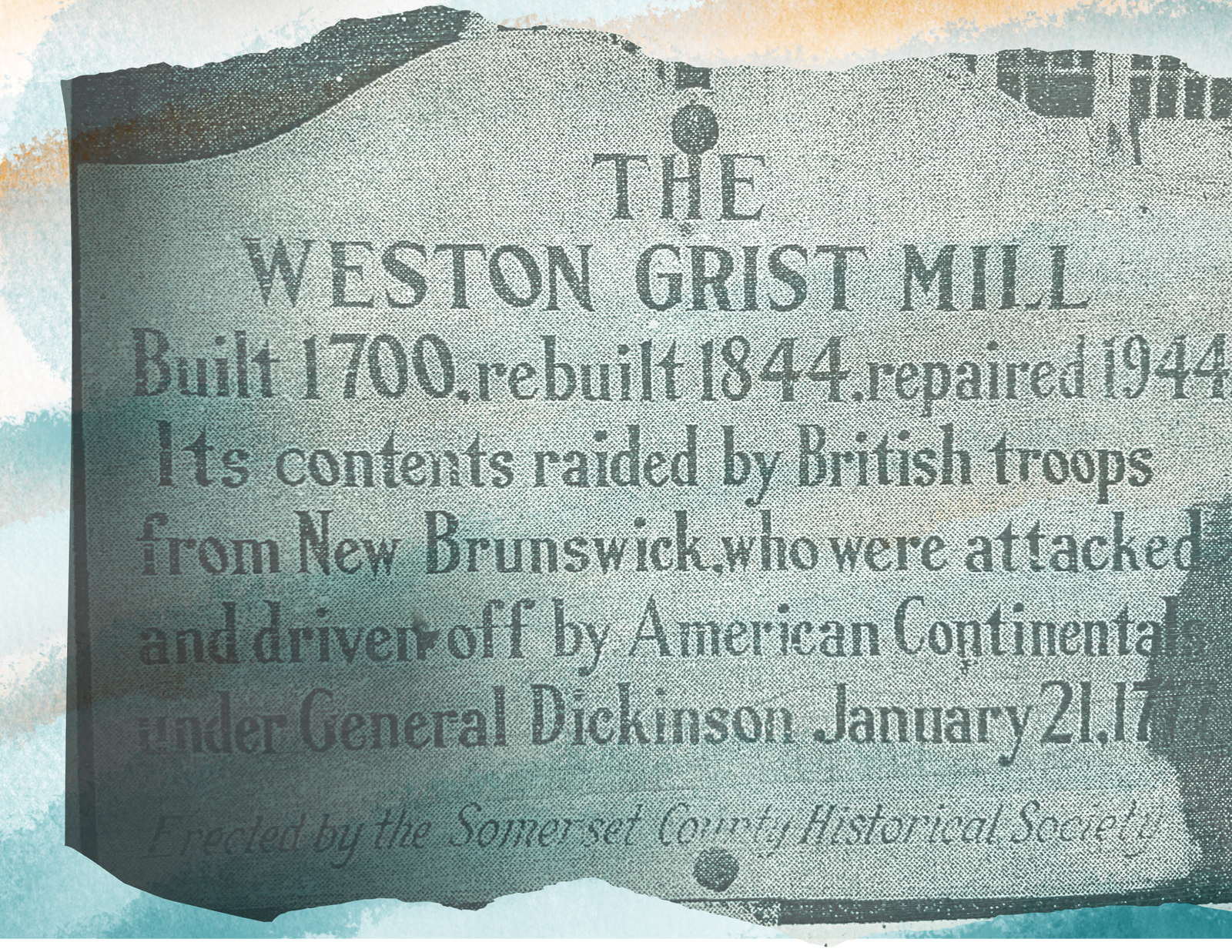
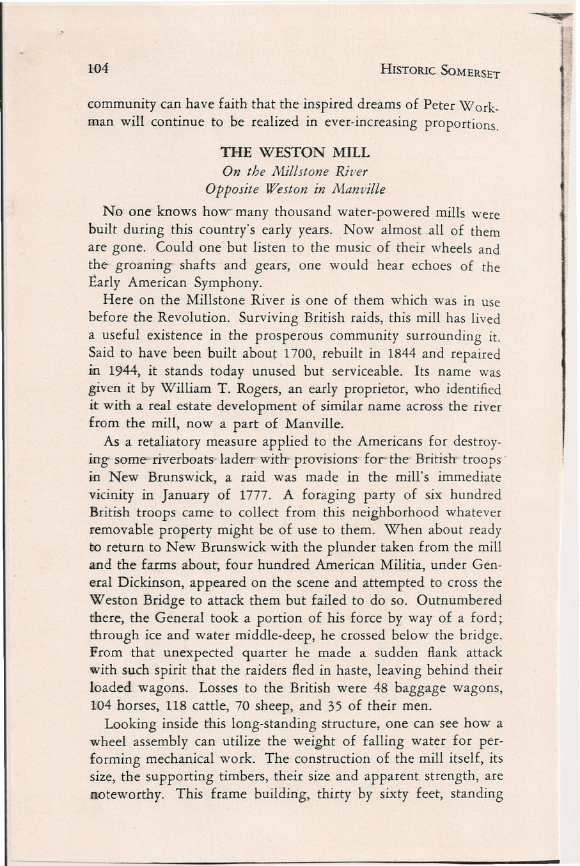
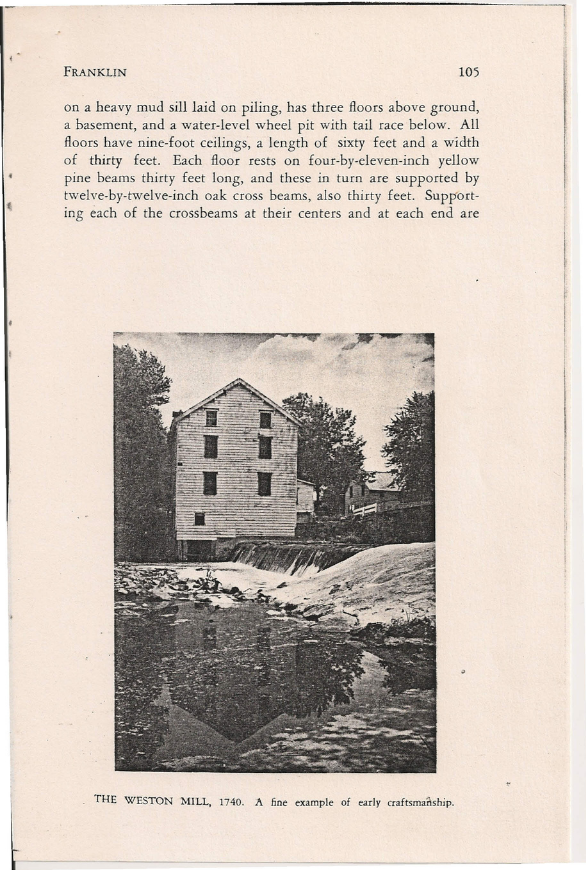
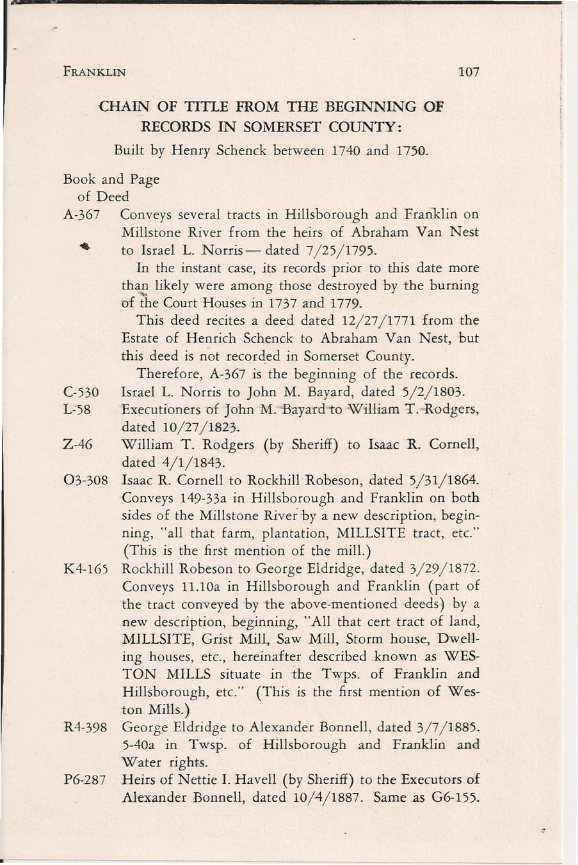
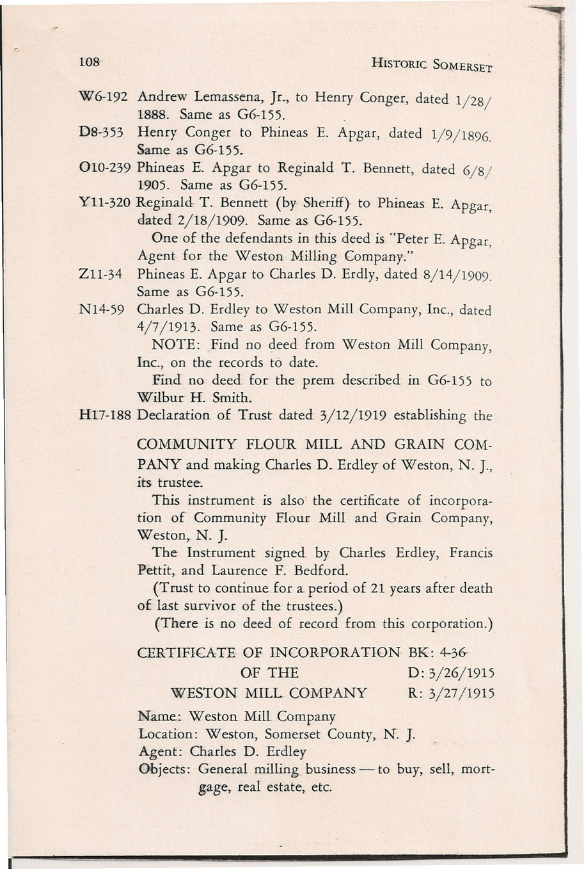
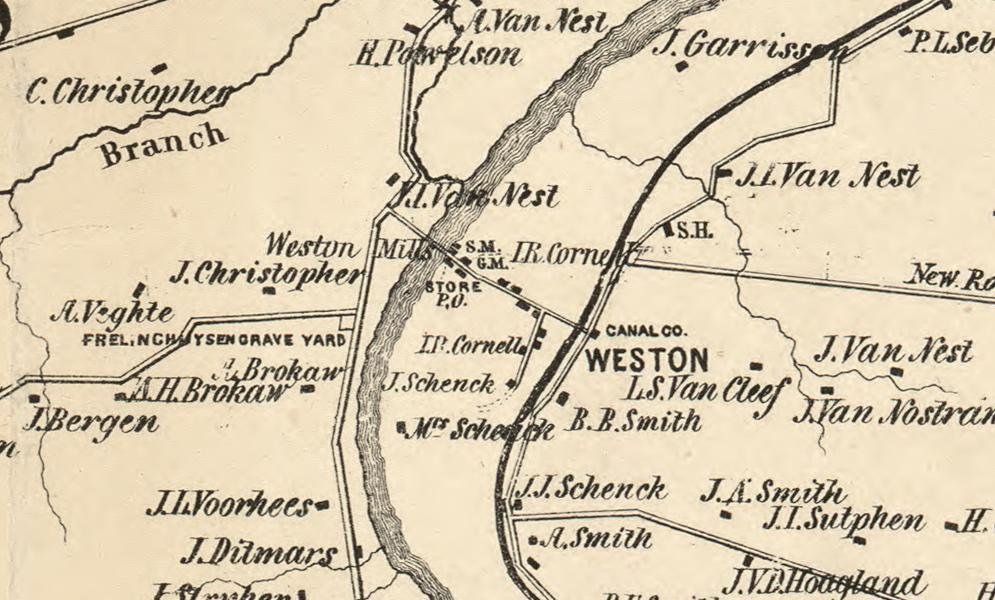
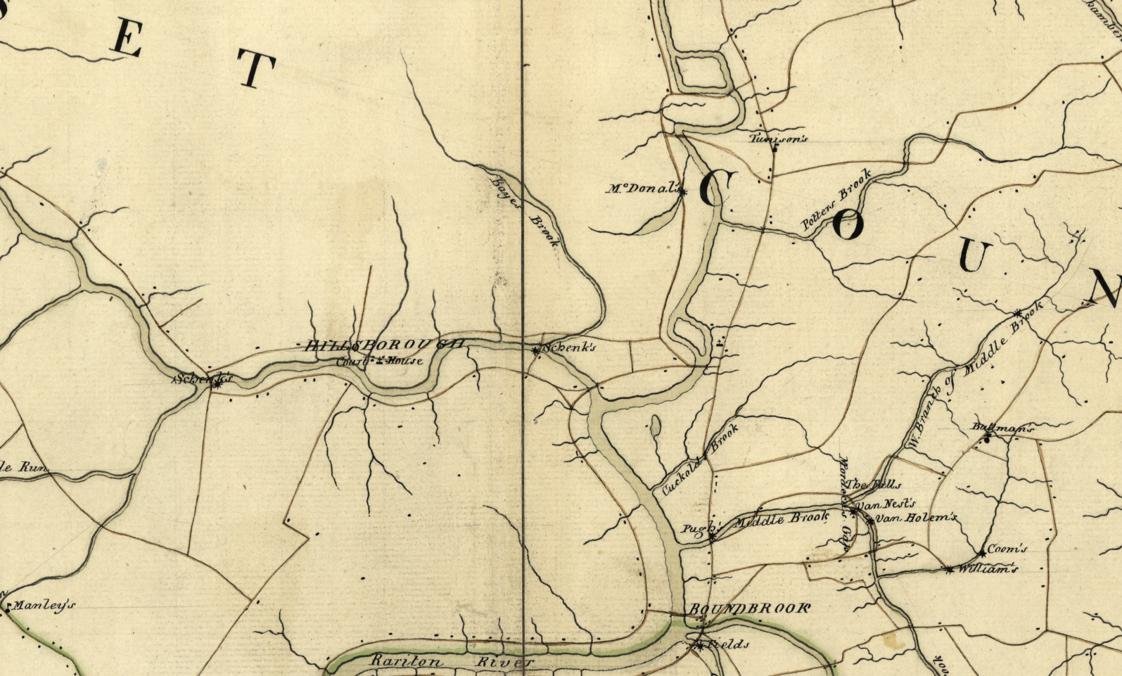
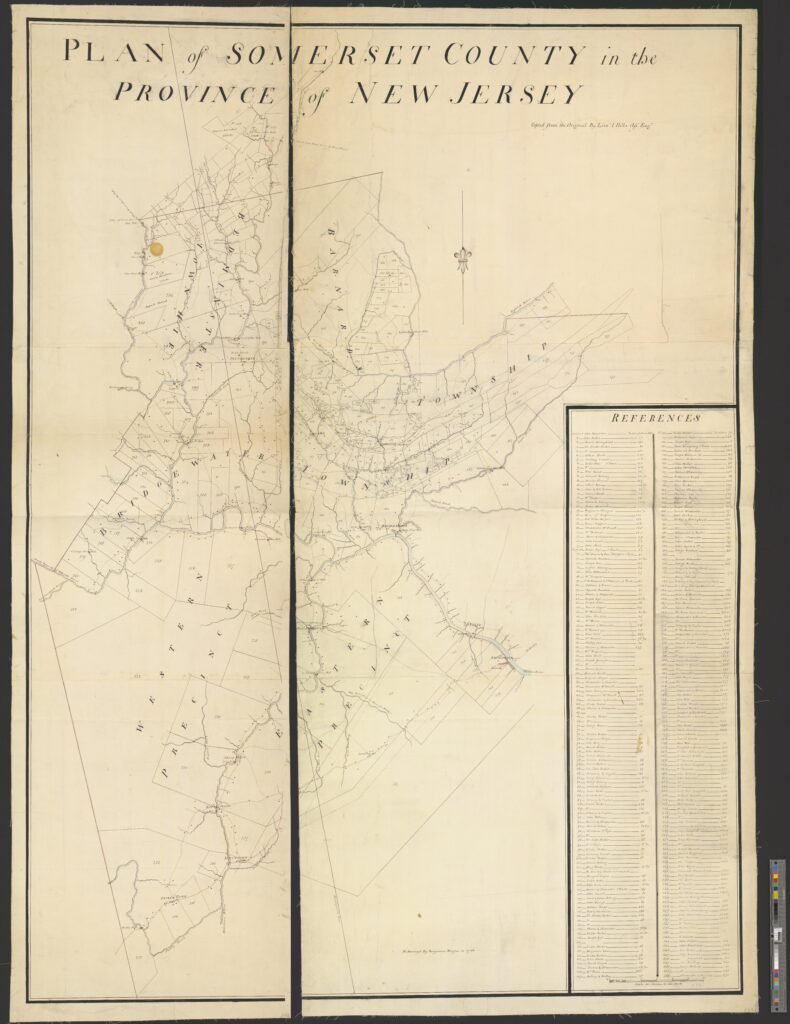
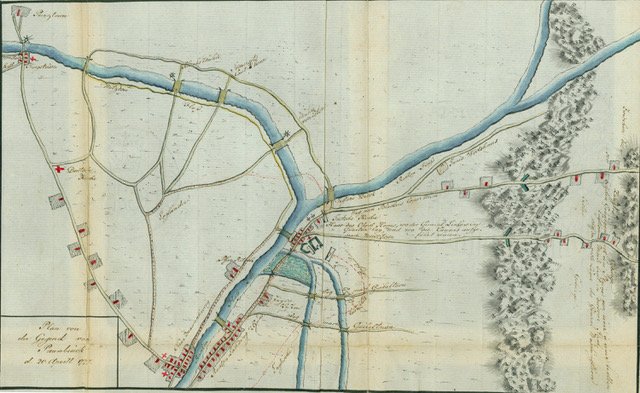
The Battle of Van Nest’s Mill—also known as the Battle of Millstone—took place in January 1777 at the site later known as Weston Mill. American militia engaged British foraging parties along the Millstone River, disrupting efforts to gather food and secure vital milling resources. The skirmish underscored the strategic importance of mills and river crossings in the war, as control of this site affected troop movement, supplies, and local support. Though small in scale, the action at Van Nest’s Mill contributed to the broader Patriot campaign that pressured British forces to withdraw toward New Brunswick following their losses at Trenton and Princeton.
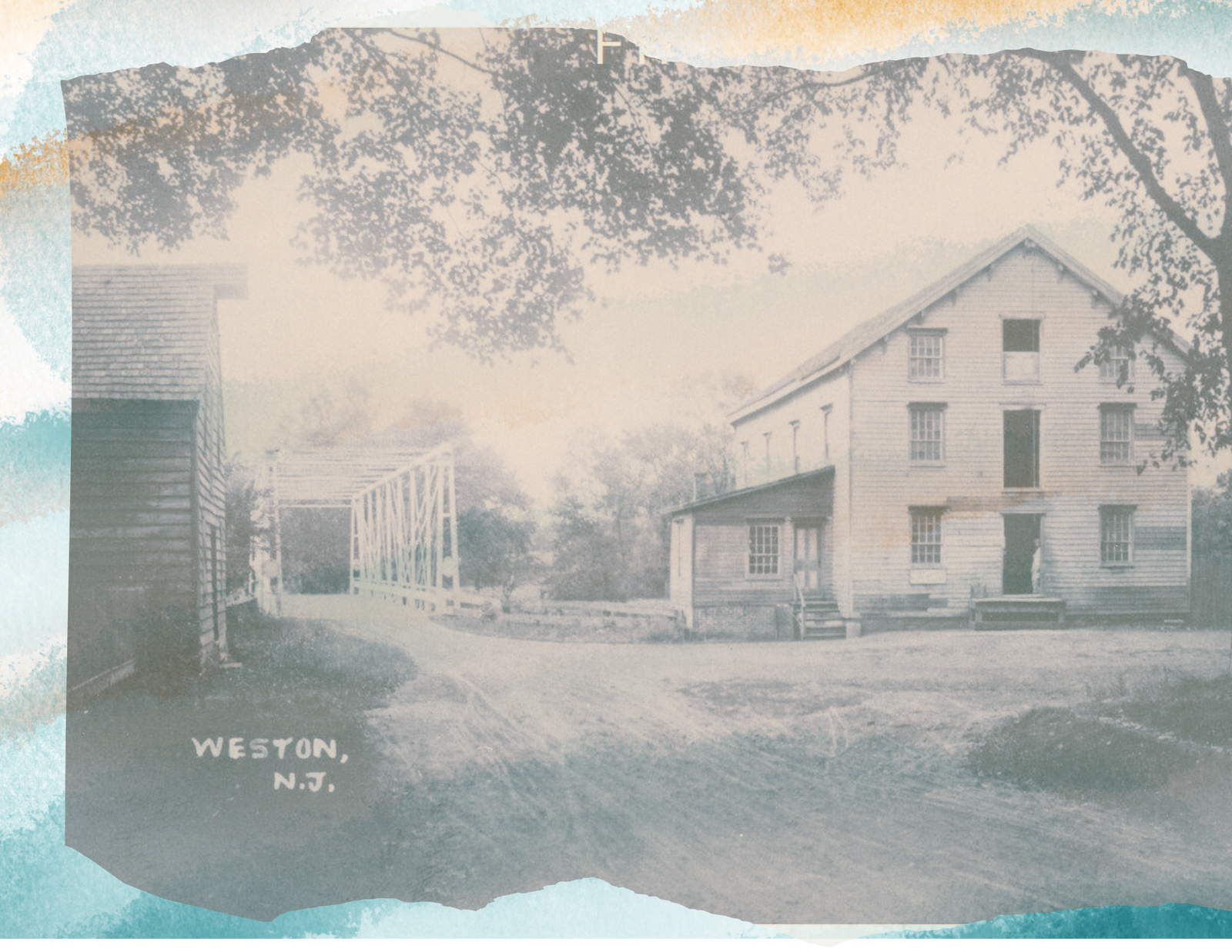
Grist mills were often the seeds from which towns grew. By harnessing nearby rivers and streams for power, mills provided an essential service—turning grain into flour—that drew farmers, merchants, and craftsmen to a central location. Roads and bridges developed to reach the mill, followed by houses, stores, churches, and schools. Over time, these mill sites became economic and social hubs, shaping settlement patterns and laying the foundation for many towns and communities across the region.
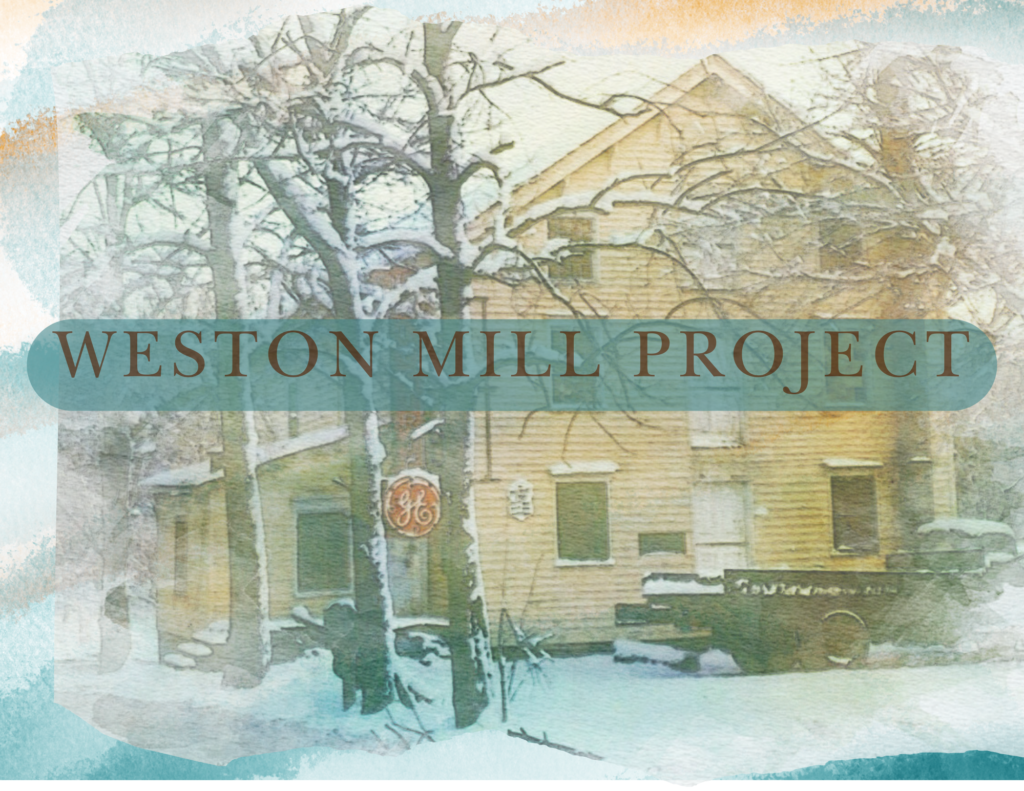
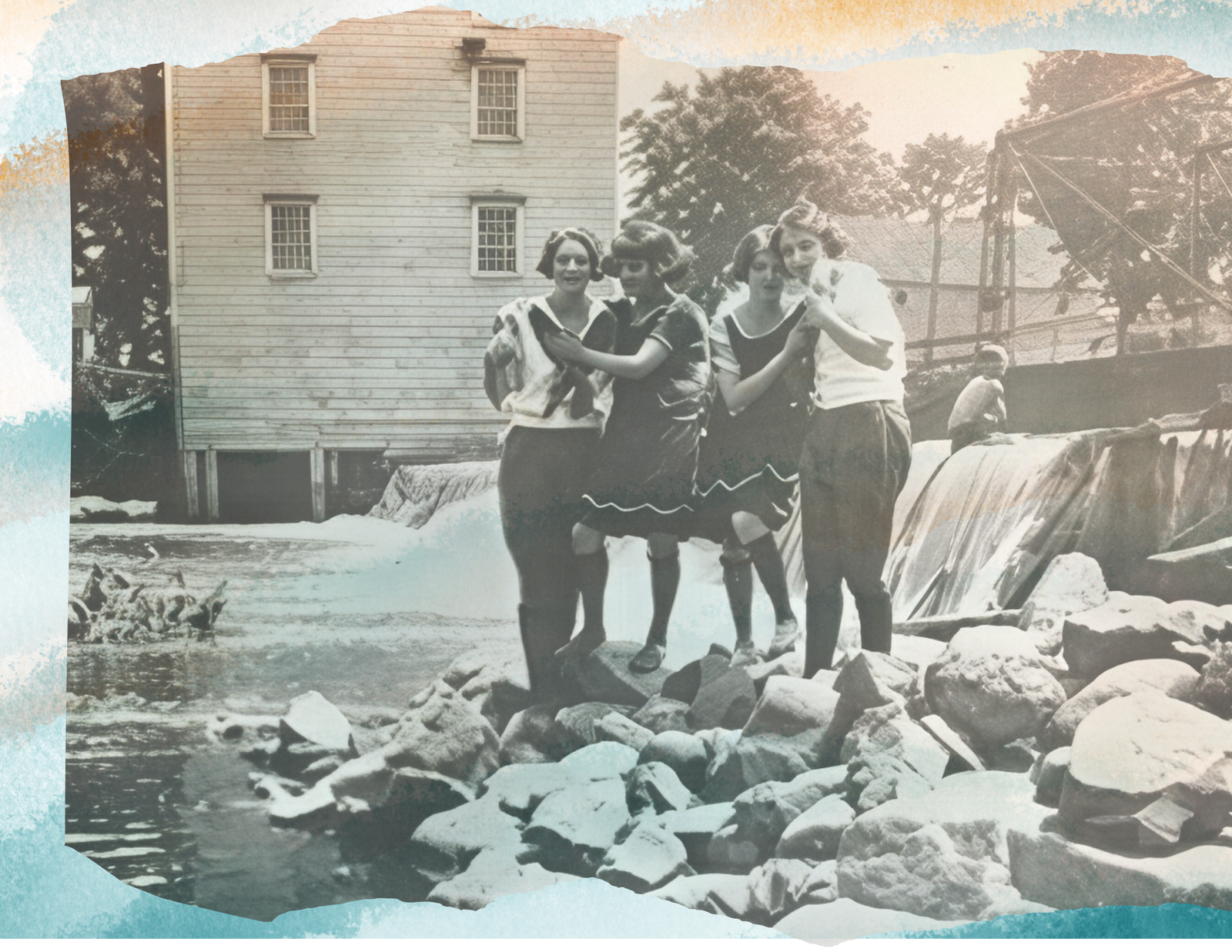
The Weston Mill endured for centuries by continually adapting to new technologies while maintaining its vital role in the community. Originally powered by a traditional waterwheel, the mill evolved alongside advances in engineering, most notably with the installation of turbine engines in the 1800s that greatly increased efficiency and output. These upgrades allowed the mill to remain competitive through periods of agricultural and industrial change, extending its working life well beyond its colonial origins. The mill’s longevity stands as a testament to innovation, showing how early industries embraced emerging technologies to meet the needs of each new generation.
Check out our shop to see what's available